Child Therapist in West Palm Beach, FL
Specialized play therapy and behavioral support for children ages 4–12. We help kids process emotions, manage big feelings, and thrive at home and school — with parent coaching included.
Signs Your Child May Need Therapy
Children show distress differently than adults. These behavioral changes are often calls for support, not defiance.
Tantrums Beyond Their Age
Intense meltdowns that seem disproportionate to the trigger, difficulty self-soothing, or rages that last significantly longer than peers' — especially past age 6 or 7.
School Refusal
Frequent stomach aches or headaches on school mornings, crying before the school bus, prolonged reluctance to attend — often masking anxiety, bullying, or learning struggles.
Social Withdrawal
A previously social child suddenly pulling away from friends, family activities, or favorite hobbies. Withdrawal often signals depression, anxiety, trauma, or a significant life change.
Trauma Exposure
Witnessing or experiencing violence, abuse, a serious accident, natural disaster, or the sudden death of a loved one. Children process trauma differently and need specialized support.
Family Transition
Divorce, parental separation, a new step-parent, moving homes, or a new sibling. Even positive changes create grief reactions in children that benefit from a safe therapeutic space.
Sleep or Eating Changes
Nightmares, difficulty falling asleep alone, sudden fear of the dark, significant appetite changes, or regression to younger behaviors (bedwetting, thumb-sucking) after years without them.
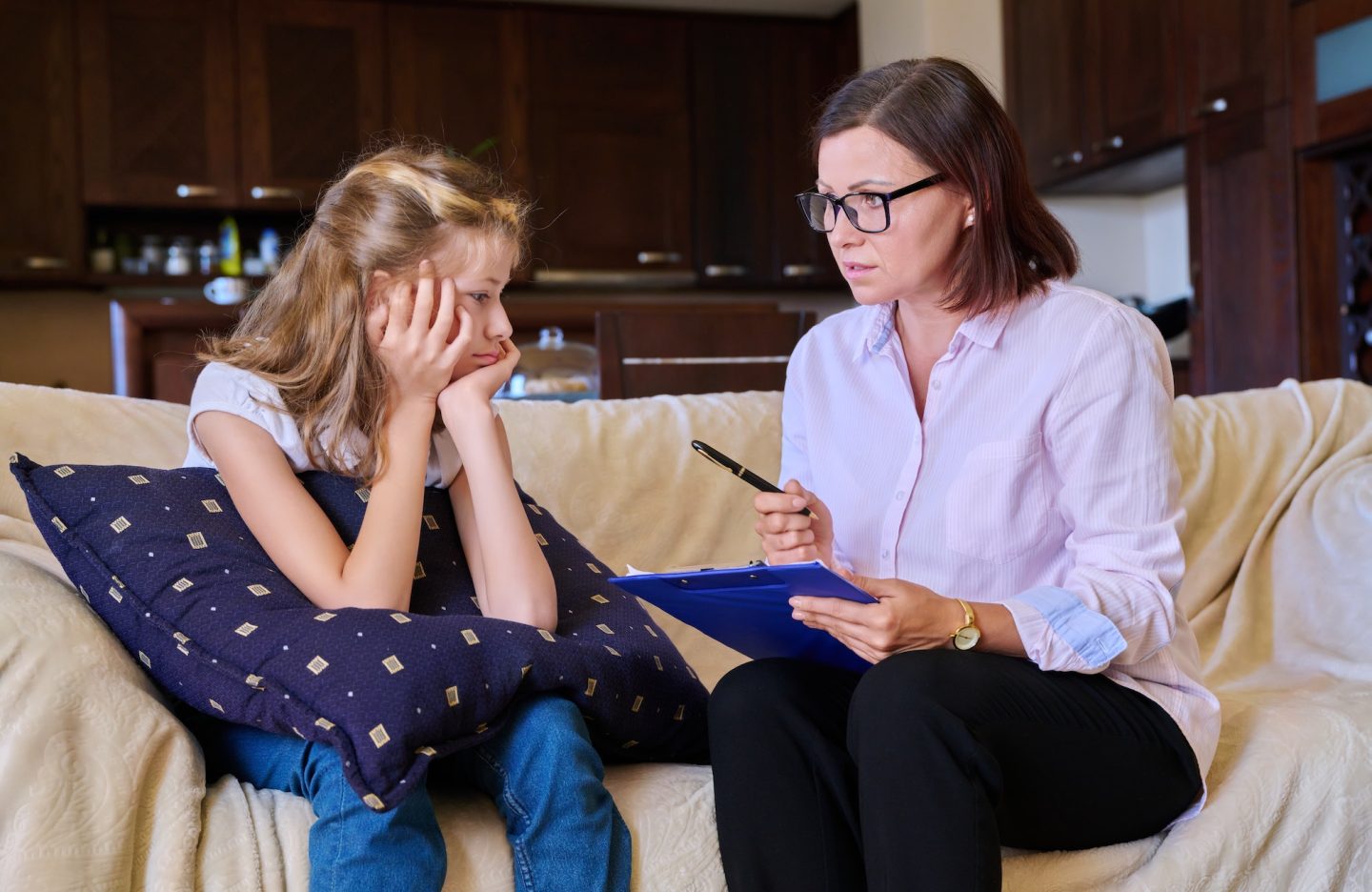
How Play Therapy Works — and Why It's So Effective for Children
Children don't process emotions through talking — they process through play. Play therapy uses toys, art, sand trays, and games as the child's natural language. The therapist observes and participates in a structured therapeutic way, helping the child work through internal conflicts, develop emotional vocabulary, and build coping skills — without requiring them to sit and talk about their feelings like an adult.
Research consistently shows play therapy is effective for children ages 3–12 across a wide range of presenting concerns, with effect sizes comparable to adult talk therapy. It is particularly powerful for children who have experienced trauma, who struggle with verbalization, or who have developmental differences.
- Child-Centered Play Therapy (CCPT) for emotional processing
- Cognitive Behavioral Play Therapy for anxiety and behavioral concerns
- Sand tray and art therapy for pre-verbal trauma processing
- Parent coaching integrated into the treatment plan
- School coordination and IEP support documentation
- Bilingual sessions — English and Spanish
Common Concerns We Help Children With
Separation Anxiety
Excessive distress when separated from parents, school avoidance, nighttime fears, and clinging behavior. We build independence through gradual exposure and parent coaching.
ADHD
Inattention, hyperactivity, impulsivity, and the frustration that comes from repeatedly being told to "focus" or "sit still." We build regulation skills and coach parents on supportive strategies. Learn more →
Autism Spectrum (ASD)
Social skills development, sensory processing support, communication strategies, and family guidance for children on the autism spectrum — all through a strengths-based lens.
Behavioral Issues
Defiance, aggression, lying, or explosive behavior at home or school. We identify the function of the behavior and address the underlying emotional need — not just the symptom.
Childhood Grief
Loss of a grandparent, pet, or family member. Children grieve differently at each developmental stage — play therapy creates the space to process loss safely.
Divorce & Family Transitions
Adjustment to two-home families, new step-parents, or parental conflict. We help children maintain a secure sense of self through family disruption.
What Parents Can Expect
We view parents as essential partners in child therapy — not passive observers.
Parent Intake First
Your child's first appointment begins with a parent-only intake session. We gather developmental history, family context, school reports, and your primary concerns before meeting your child.
Play Sessions with Your Child
Your child has a private, safe space to play, create, and express themselves. Confidentiality is maintained — your child needs to trust the therapeutic relationship to benefit from it.
Regular Parent Coaching
Every few sessions, we meet with parents separately to share themes (not confidential content), provide specific at-home strategies, and adjust the treatment plan based on what you're seeing at home.
School Coordination
With your written consent, we coordinate with teachers and school counselors, provide support documentation for IEP or 504 plans, and attend school meetings when needed.
Frequently Asked Questions
We are honest with children in an age-appropriate way. Most young children understand they are coming to a "feelings doctor" or "play room" where they can talk about big feelings and play. We do not deceive children about the nature of therapy. What matters most is that the environment feels safe and fun — and our play therapy room is designed to feel exactly that way.
It depends on the presenting concern and severity. Situational issues (adjustment to divorce, grief) often resolve in 8–12 sessions. More complex concerns like trauma, ADHD, or autism-related difficulties may require 16–24+ sessions of active treatment. We establish clear goals at intake and review progress regularly so treatment never continues without purpose.
Your child's session content is confidential — this is essential for the therapeutic relationship to work. We will share themes and clinical observations with you (e.g., "your child is processing a lot of anger about the move") without disclosing specific content. The only exceptions are mandatory reporting situations: if your child discloses abuse, neglect, or intent to harm themselves or others, we are required by Florida law to take protective action.
Yes — telehealth child therapy is available and effective, particularly for older children (ages 8+) and for parent coaching sessions. For younger children (ages 4–7), in-person play therapy tends to produce better results since the physical play materials are central to the therapeutic process. We will recommend the best format after your parent intake session.
Your Child Deserves Support. Let's Talk.
Start with a free parent consultation — no obligation. We'll listen, answer your questions, and recommend the right path forward for your child.