
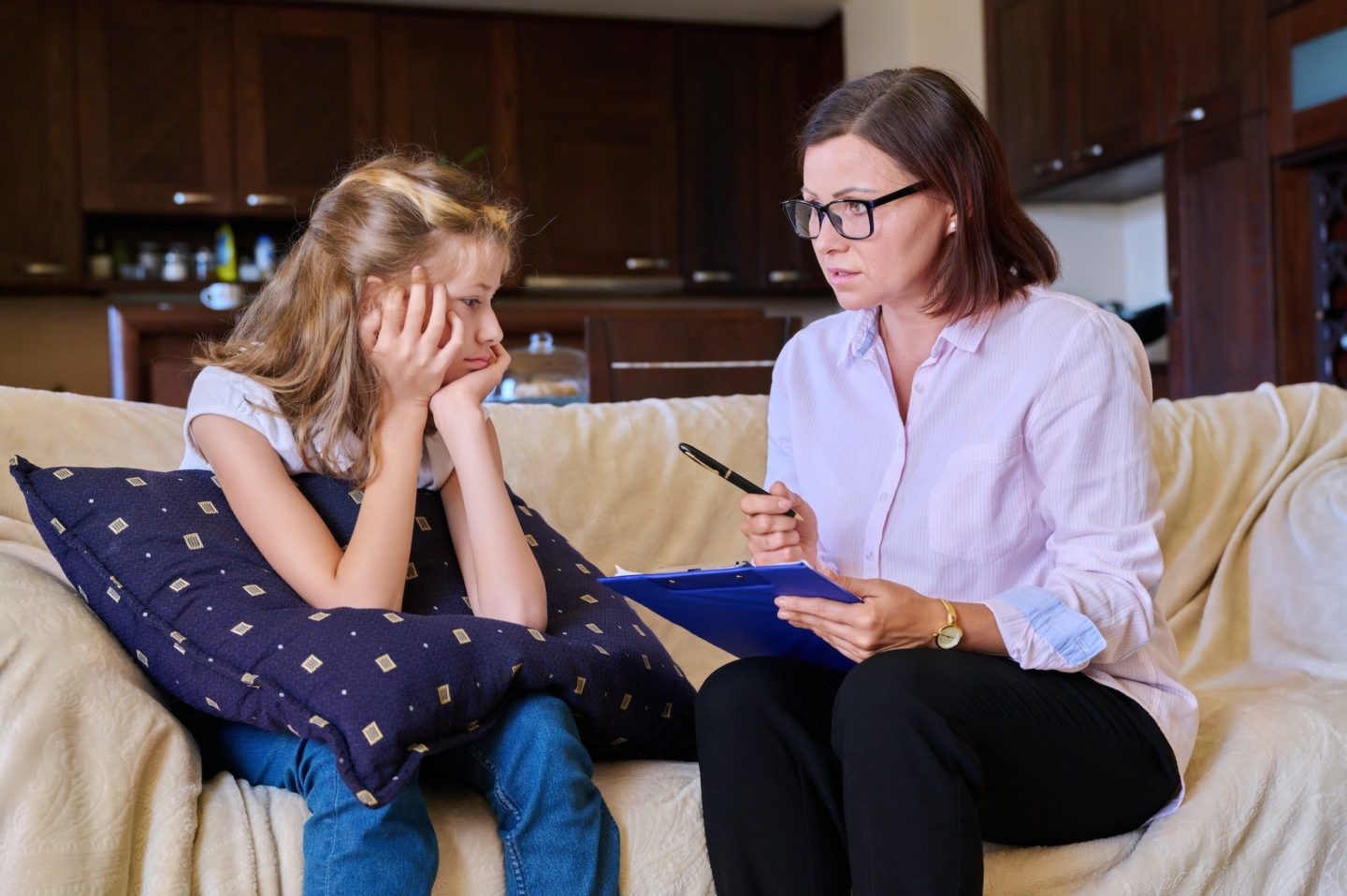
Knowing when your teen needs more than a pep talk can feel confusing and scary. You see their mood change, their habits shift, and you might wonder if this is “normal teen stuff” or a sign of something deeper. This is especially true around mid-school year, when school stress and social pressure start to build.
In West Palm Beach, February can be a heavy month for teens. There is mid-year school pressure, big tests coming up, spring sports tryouts, and a lot of social drama around dating and Valentine’s Day. In this article, we will walk through common signs that your teen might benefit from support from a teen therapist in West Palm Beach and explain how therapy can help your family breathe a little easier.
Spotting Silent Struggles in Your Teen
By February, many teens are tired and stressed. The fun of winter break has faded, classes are harder, and talk of exams is everywhere. Friend groups may be shifting and some teens feel pressure to be in a relationship or have the “perfect” social media posts around Valentine’s Day. On top of that, there might be pressure to make a sports team or keep up with activities as spring events pick up.
It is easy to look at a moody teen and say, “It is just hormones.” While hormones do play a part, that phrase can make us ignore real emotional pain. When we brush off big changes in mood or behavior, we might miss early warning signs of depression, anxiety, or other struggles.
A teen therapist in West Palm Beach can help catch these silent struggles early. Therapy gives your teen a private space to sort through feelings, and it gives you guidance so problems do not have to grow into full-blown crises.
Emotional Red Flags You Should Never Ignore
Some ups and downs are normal. But when strong feelings stick around, it is time to pay attention. Emotional red flags can show up in quiet ways or loud ones.
Watch for mood changes that last, such as:
• Ongoing sadness or tearfulness that lasts for weeks
• Constant irritability, snapping at everyone, or sudden anger outbursts
• Emotional numbness, where your teen seems “checked out” or flat
• Strong guilt or shame that does not match the situation
Signs of anxiety and overwhelm can also be easy to miss. You might see:
• Constant worrying about grades, friendships, or the future
• Trouble falling asleep or staying asleep
• Dread about going to school, sports, or social events
• Panic-like symptoms such as pounding heart, shaking, or trouble breathing
One of the most important warning signs is what your teen says. Take seriously:
• Comments like “What is the point?” or “Nobody would care if I was gone”
• Talking or joking about death or self-harm
• A sudden strong interest in dark, violent, or very hopeless content
• Giving away special belongings or acting like they are saying goodbye
If you notice any of these, it is not being dramatic to seek help. It is being careful and loving.
Behavioral Changes That Signal a Deeper Issue
Teens often “speak” through their behavior before they have words for what they feel. You might see changes at school, in activities, with friends, or in daily routines.
School and activity shifts can include:
• Falling grades, missing assignments, or teachers sharing concerns
• Skipping classes or asking to stay home more often
• Dropping out of clubs or sports, especially things they once loved
• Refusing to go to events they used to enjoy
Social changes can show up as:
• Spending most of their time alone in their room
• Pulling away from close friends without a clear reason
• Suddenly hanging with a new crowd that seems into risky behavior
• Partying, vaping, using substances, or breaking family rules more often
Physical and daily routine changes may look like:
• Big changes in sleep, such as staying up most of the night or sleeping all day
• Noticeable changes in appetite or weight
• Decline in hygiene, like not showering or brushing teeth regularly
• Frequent headaches, stomachaches, or other pains with no clear medical cause
These shifts do not always mean a serious mental health condition, but they are strong signs your teen is struggling and needs more support.
When Family Support Is Not Enough Anymore
Most parents try hard to listen, give advice, and set good limits. Still, there are times when love and support at home are not enough to help a teen feel safe and stable. This does not mean you failed as a parent. It just means the problem is bigger than what can be fixed by talks at the kitchen table.
Normal teen pushback might look like:
• Rolling eyes
• Your teen says they feel stuck or hopeless, even after you try to help
• Their behavior is getting more extreme, not better, over time
• You feel like you are constantly “walking on eggshells” around them
There are times when you should move quickly to get professional help:
• Any self-harm, like cutting or burning
• Any talk of wanting to die or not wanting to be here
• Physical aggression toward others or serious threats
• Running away or talking about running away
• Suspected substance use or dangerous risk-taking
A bilingual, culturally sensitive teen therapist in West Palm Beach can offer a safe, neutral space where your teen may feel more comfortable opening up than they do at home. This can help bridge the gap between what your teen feels and what you see.
How Therapy Helps Teens Find Their Voice and Balance
Therapy for teens is not just sitting on a couch and talking about feelings in a stiff way. Good teen therapy is flexible, creative, and matched to your child’s personality and culture.
Therapy might include:
• One-on-one talk therapy that feels more like a guided conversation
• Creative tools like art, journaling, or movement to express feelings
• Learning simple, practical coping skills for stress and big emotions
• Helping your teen name what they feel so it does not stay bottled up
Over time, many families see benefits such as:
• Brighter mood and fewer emotional outbursts
• Better ways to handle school stress and tests
• Stronger, healthier friendships and boundaries
• Improved communication at home, with fewer blowups
Family often plays a key role in therapy. A therapist may invite parents or caregivers into some sessions to:
• Share patterns they notice at home
• Learn new ways to respond to big emotions
• Build routines and support that match what the teen is learning
This teamwork helps your teen feel supported, not singled out.
Finding the Right Teen Therapist in West Palm Beach
Finding a teen therapist in West Palm Beach can feel like a big step, but it does not have to be confusing. A few simple points can guide you.
Things to look for include:
• A licensed therapist who has experience working with teens
• Someone who understands local school pressures and family expectations
• A person who respects your family’s culture, language, and values
• A calm, open style that helps your teen feel they are not being judged
The bond between your teen and the therapist is very important. When care is bilingual and culturally sensitive, teens and families often feel more seen and respected. Your teen is more likely to open up when they feel understood in both language and culture.
To prepare for a first session, it can help to:
• Write down the changes you have noticed in your teen
• Think about what you hope might be different in a few months
• Share any past support your teen has tried
When you talk to your teen about trying therapy, keep it simple and kind. You might say:
• “I notice you have been having a really hard time, and you deserve more support.”
• “Therapy is a place just for you, where you can say what you really feel.”
• “We can try a few sessions and then decide together if it helps.”
Keeping the tone calm and open can lower your teen’s anxiety and help them feel you are on their side.
Help Your Teen Find Support, Clarity, and Confidence
If your teen is struggling with emotions, relationships, or stress, we are here to help them feel heard and supported. Working with a skilled teen therapist in West Palm Beach at Healing Arts & Wellness Center can give your family practical tools for communication, coping, and healing. Reach out to contact us so we can talk together about what your teen is going through and explore a path toward feeling better.