
When School Support Is Not Enough: Anymore
When your child struggles with focus or organization, it can be easy to hope that school support will fix it. Extra reminders, a kind teacher, or after-school tutoring can help for a while. But sometimes those supports are not enough, and your child still feels stuck and overwhelmed.
There is a difference between normal school challenges and patterns that may point to ADHD. Many kids get distracted sometimes or forget homework once in a while. With ADHD, these struggles are stronger, more constant, and spill into home life, friendships, and self-esteem.
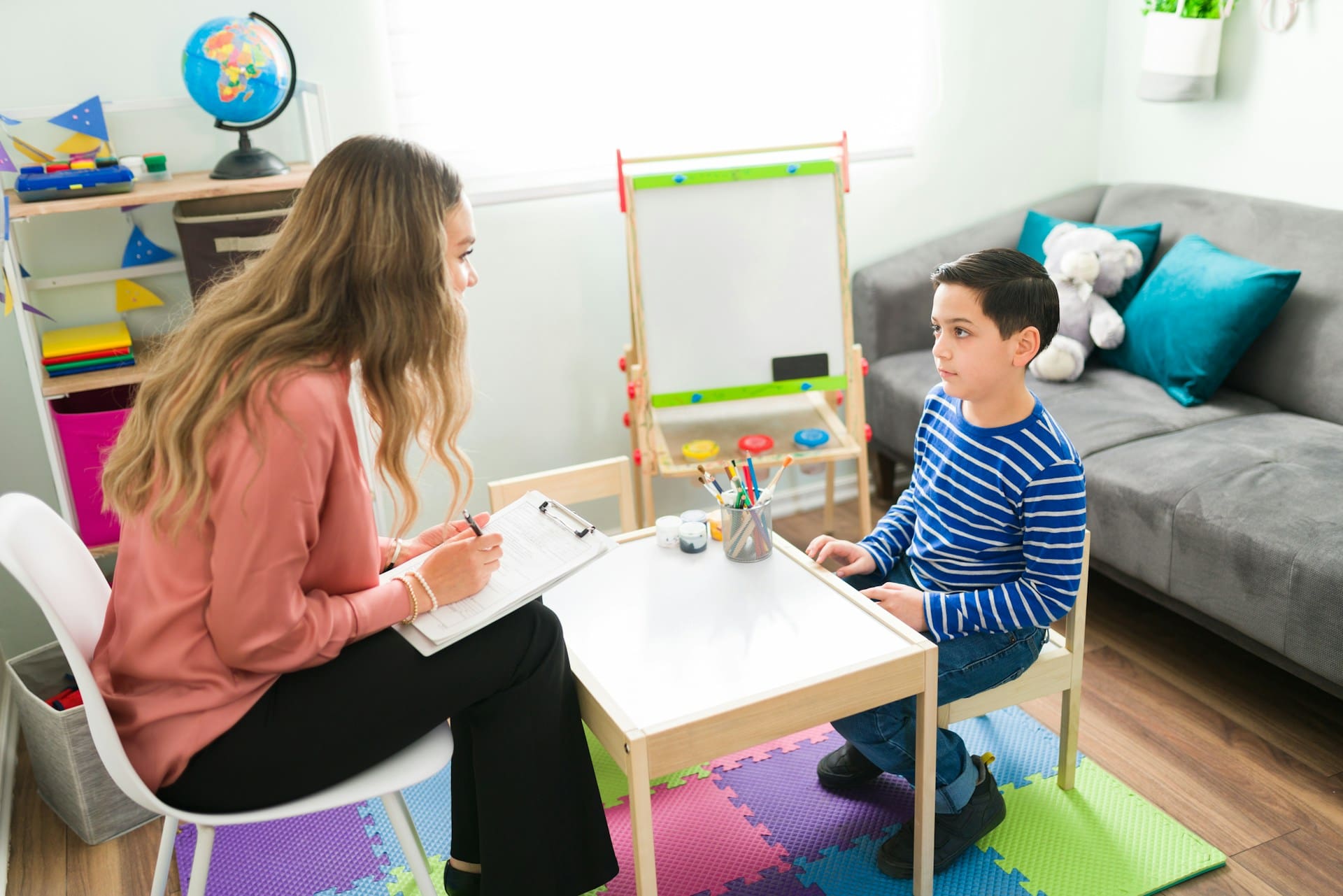
An ADHD specialist is a mental health professional who understands how attention, activity level, and impulse control work together. With early, expert help, we can protect your child’s confidence, support their friendships, and make school feel more possible, not like a daily battle.
Red Flags Teachers May Miss or Dismiss
Most teachers care deeply about their students, but they only see your child in one setting, with many kids at once. Some ADHD signs are easy to miss, especially in girls and in students of color, who are often seen as shy, lazy, or “not trying” instead of struggling with attention.
Here are subtle signs that can fly under the radar at school:
- Quiet daydreaming during lessons
- A child who seems to “zone out,” then has no idea what the class is doing
- Doing fine in class but melting down the minute they get home
- Working twice as hard as classmates yet earning average or low grades
Teachers may say things like “They just need to apply themselves” or “They are so bright but not motivated.” When feedback stays informal, and no one suggests a full evaluation, families can lose months or years waiting for things to get better on their own.
An ADHD specialist looks beyond classroom behavior. We listen to you, your child, and, when helpful, the school team. We pay attention to patterns across home, school, and social situations so your child is not labeled as lazy or defiant when they are actually struggling with ADHD symptoms.
"An ADHD specialist looks beyond classroom behavior — so your child is not labeled as lazy or defiant when they are actually struggling with ADHD symptoms."
Clear Signs Your Child May Need an ADHD Specialist
It can be hard to know when to move from “Let’s give it time” to “We need more help.” Pay attention to patterns that keep showing up, even when you and the school are trying your best to support your child.
Academic red flags can include:
- Frequent unfinished work, even when your child understands the material
- Chronic disorganization, such as a backpack full of crumpled papers
- Losing items every day, like notebooks, water bottles, or permission slips
- Extreme difficulty following multi-step directions without getting lost
Emotional and social signs are just as important:
- Big meltdowns over homework that should take a short time
- Constant conflict at home about chores, schoolwork, or screen time
- A child who calls themselves “stupid,” “lazy,” or “bad”
- Trouble keeping friends because of interrupting, blurting things out, or acting without thinking
These challenges often get louder during testing season and end-of-year projects. As spring goes on and assignments pile up, kids with ADHD can feel more stressed, more forgetful, and more discouraged. That is why this time of year can be a smart moment to start a proper evaluation, so your child has support before the next school year begins.
Worried School Support Is Not Enough?
Our child and teen ADHD specialists in West Palm Beach and via telehealth across Florida offer thorough evaluations, behavioral therapy, and parent coaching. Book a free 15-minute consultation today.
Book a Free Consultation →ADHD Specialist vs. School Support
School support matters, and many kids benefit from tools like IEPs or 504 plans. These plans can offer things such as extra time on tests, help with note-taking, or a quieter place to work. But school support usually focuses on what happens in the classroom, not on the deeper “why” behind your child’s struggles.
An ADHD specialist, such as a child psychologist, psychiatrist, or specially trained therapist, can:
- Provide a thorough evaluation that looks at attention, behavior, mood, and learning
- Offer an actual diagnosis when ADHD is present
- Help rule out other concerns that can look like ADHD, such as anxiety or depression
Treatment with an ADHD specialist often goes beyond school supports and can include:
- Behavioral therapy to build skills in focus, organization, and self-control
- Parent coaching so you have clear, consistent tools at home
- Collaboration with your child’s medical provider if medication is being considered
When an ADHD specialist and the school work together, school services usually become more effective. Clear information and language about your child’s needs make it easier for teachers to use strategies that really fit your child, instead of guessing what might work.
How a Holistic ADHD Plan Can Help Your Child Thrive
A strong ADHD plan looks at the whole child, not just test scores or behavior charts. It includes support for school, home, friendships, and emotional health. Our goal is not to “fix” your child, but to help their brain work with them, not against them.
A well-rounded plan may include:
- Therapy to build coping skills, problem-solving, and self-esteem
- Practical routines at home for mornings, homework, and bedtime
- Skills training for organization, planning, and time management
- A medication consultation with a medical provider, when appropriate
- Support for parents and siblings who are affected by ADHD stress too
For many families, it also matters that care fits their culture and language. Culturally sensitive, bilingual support respects how your family communicates, what discipline looks like in your home, and how your community understands mental health. This makes it easier for your child to feel safe, seen, and understood.
At Healing Arts & Wellness Center, we are rooted in a warm-climate community where life is busy year-round. We offer both online and in-person sessions so families can get care during the school year, spring testing season, and summer break, without turning their schedule upside down.
Next Steps If You Are Worried About Your Child Now
If your gut is telling you that school support is not enough, you do not have to wait. A few simple steps this week can help you understand what your child is really going through.
You might:
- Keep a short daily log of homework time, mood, and major struggles
- Ask teachers for specific examples of where your child is getting stuck
- Talk with your child about what feels hardest at school and at home
When looking for an ADHD specialist, consider questions like:
- Do they have experience working with children and teens?
- Are they comfortable collaborating with schools and medical providers?
- Can they offer culturally sensitive, bilingual support if your family needs it?
- Do they provide both evaluation and ongoing treatment options?
Bringing notes about your child’s history, report cards, teacher comments, and your behavior log can make the first meeting much more helpful. When families, schools, and ADHD specialists work together, kids are more likely to feel understood instead of blamed, hopeful instead of defeated, and ready to move toward a school life that feels less stressful and more manageable.
Take The Next Step Toward Focused, Confident Living
If you are ready to support yourself or your child with personalized care, our team at Healing Arts & Wellness Center is here to help. Explore how working with an ADHD specialist can fit your unique needs and goals. When you are ready to talk with our staff or schedule an appointment, simply contact us so we can discuss the best next step for you.